
MARPOL Compliance & Environmental Regulations Guide

MARPOL Annex I: Oil Pollution Prevention
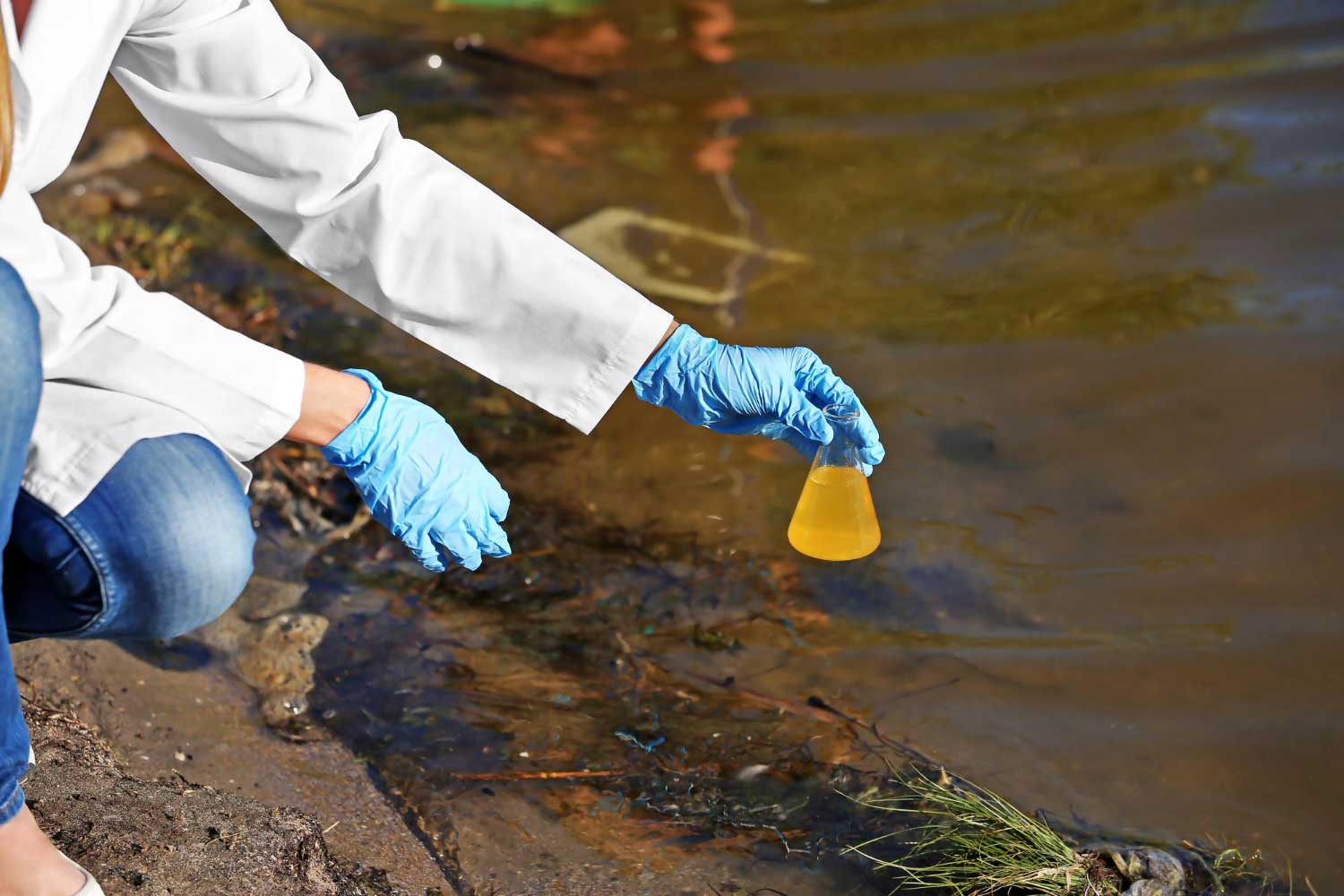
MARPOL Annex I prevents pollution by oil from operational measures and accidental spills. Key requirements: Oil discharge restrictions (15 ppm limit outside special areas), Oil Record Book Part I (machinery space operations) and Part II (cargo operations for tankers) mandatory maintenance, oily waste retention onboard until discharge to reception facilities, Oil Discharge Monitoring Equipment (ODME) for tankers.
Port Louis Reception Facilities for Annex I: Sludge disposal via certified reception facilities, bilge water discharge to reception facilities (cannot discharge to harbour), oily waste collection services available 24-48 hours from request, waste oil certificates provided for vessel records, tank cleaning residues reception for tankers. Advance notification recommended 24-48 hours before arrival for waste reception arrangements.
MARPOL Annex II: Noxious Liquid Substances
Annex II controls pollution by noxious liquid substances carried in bulk, primarily applying to chemical tankers. Requirements include: Cargo Record Book maintenance for all cargo operations, prewash requirements for certain cargoes before leaving loading port, discharge standards based on cargo category (X, Y, Z, OS), tank cleaning procedures and residue disposal.
Chemical Waste Reception: Port Louis provides reception facilities for chemical cargo residues, tank washings disposal for chemical tankers, slops reception from cargo tank cleaning, certificates of disposal for records. Chemical tankers must pre-notify 72 hours before arrival for chemical waste reception arrangements coordination.
MARPOL Annex III: Harmful Substances in
Packaged Form

Annex III addresses harmful substances carried in packaged form including containers, portable tanks, and cargo transport units. Key requirements: IMDG Code compliance for packaging, marking, labelling, documentation, stowage, and quantity limitations, cargo manifest identification of harmful substances, proper segregation per IMDG Code, reporting of jettisoning or loss overboard.
At Port Louis: Dangerous goods pre-notification 72 hours before arrival, fire service notification of hazardous cargo, cargo inspection procedures by port authorities, emergency response planning for incidents. Omega coordinates all dangerous goods notifications and compliance with port authority requirements.
MARPOL Annex IV: Sewage Pollution Prevention
Annex IV prevents pollution of the sea by sewage from ships. Requirements: Sewage discharge prohibited except: treated through approved sewage treatment plant at least 3 nautical miles from nearest land, comminuted and disinfected at least 12 nautical miles from land, or stored in holding tanks for discharge to reception facilities.
Sewage Reception at Port Louis: Sewage pump-out services available via dedicated reception barges, capacity to handle vessels of all sizes, certificates provided upon completion, services available 24-48 hours from request. Vessels should plan sewage discharge to reception facilities during port stay rather than discharging at sea near port.
MARPOL Annex V: Garbage Pollution Prevention
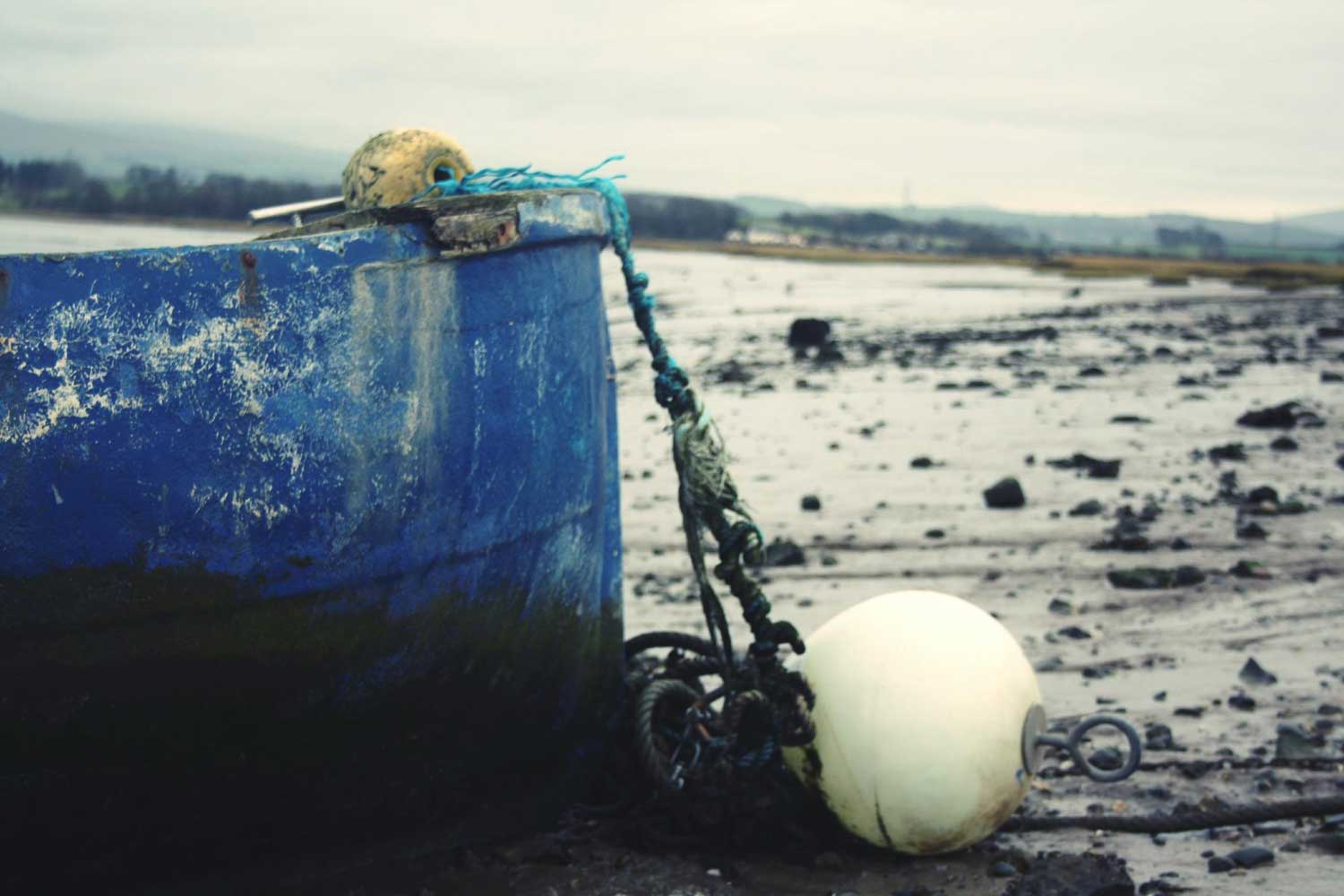
Annex V addresses garbage pollution from ships including plastics, food waste, domestic waste, cooking oil, cargo residues, and fishing gear. Key requirements: Garbage discharge generally prohibited (with specific exceptions for food waste at certain distances), Garbage Management Plan mandatory for vessels ≥100 GT or certified to carry ≥15 persons, Garbage Record Book for vessels ≥400 GT and those certified to carry ≥15 persons, placards informing crew and passengers of discharge requirements.
Port Louis Garbage Reception: Comprehensive garbage collection services for all waste categories: plastics, food waste, paper products, rags, glass, metal, bottles, domestic waste, cooking oil, e-waste, incinerator ash. Waste segregation per MARPOL categories required before reception. Services available daily with advance request. Garbage collection typically arranged 24-48 hours before departure. Certificates of garbage reception provided for Garbage Record Book.
MARPOL Annex VI: Air Pollution Prevention
Annex VI sets limits on sulfur oxide (SOx) and nitrogen oxide (NOx) emissions from ship exhausts and prohibits deliberate emissions of ozone depleting substances. Key requirements:
Fuel Sulfur Limits: Global sulfur cap 0.50% m/m since January 1, 2020 (reduced from 3.50%). Emission Control Areas (ECAs) require 0.10% m/m sulfur limit. Mauritius waters subject to global 0.50% limit (not in ECA). Vessels must use compliant fuel or equivalent methods (exhaust gas cleaning systems/scrubbers, alternative fuels).
Bunker Fuel Compliance: All bunker fuel supplied at Port Louis complies with MARPOL Annex VI requirements. Bunker suppliers provide: Bunker Delivery Notes (BDNs) confirming fuel sulfur content, representative fuel samples sealed and signed, certificates of quality and analysis. Vessels must retain BDNs for minimum 3 years and fuel samples 12 months.
NOx Emissions: Tier I, II, or III standards apply based on vessel construction date and engine installation date. Engines must have valid NOx Technical Code certificates. Port state control may verify compliance.
Ozone Depleting Substances (ODS): Deliberate emissions of ODS prohibited. New installations of equipment containing ODS generally prohibited. Existing equipment containing ODS must be properly maintained to prevent leaks.

Waste Reception Coordination at Port Louis
Advance Notification Requirements
Waste Reception Certificates and Documentation
Expert MARPOL Compliance Support
Omega Shipping Agency coordinates complete MARPOL compliance for vessels at Port Louis, ensuring environmental regulations compliance and proper waste management throughout port stay.
📞 Contact: +230 214 2705
📱 24/7: +230 5989 8839
✉️ operations2@omegashippingagency.org